Are Smart Building Solutions Really Worth the Investment?
Technology is forever changing how commercial buildings operate. Heating systems can now adjust automatically. Lighting responds to occupancy. Ventilation reacts to air quality levels. Because of this, many landlords, factory owners and facilities managers are exploring smart building solutions as a way to improve efficiency and reduce running costs.
However, before investing, it is important to ask a simple question. Are smart building solutions genuinely worth it for your building, or are they only beneficial in certain situations?
This guide takes a balanced look at the advantages, the limitations and when smart controls make practical sense.
What Are Smart Building Solutions?
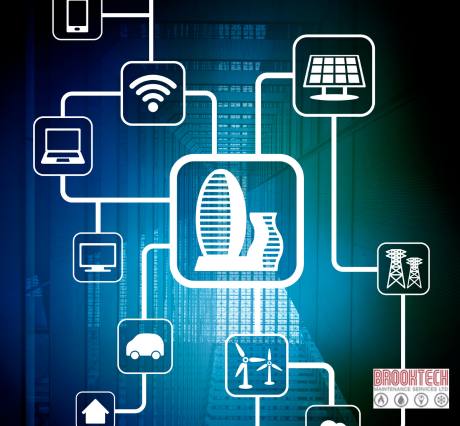
Smart building solutions use sensors, connected controls and software to manage building systems more efficiently. Instead of relying on fixed timers and manual adjustments, systems communicate and respond to real-time conditions.
They can control:
- Heating and boiler output
- Air conditioning and ventilation
- Lighting levels
- Energy monitoring
- Access and security systems
- Water systems
For example, heating can reduce automatically in unused areas. Lighting can dim when natural daylight is sufficient. Ventilation can increase only when occupancy rises.
Intelligent control systems can help reduce unnecessary energy consumption in commercial buildings.
The Benefits of Smart Building Solutions
When installed correctly, smart building solutions can offer clear advantages.
1. Better Energy Control
The most obvious benefit is improved efficiency. Systems respond to demand rather than operating continuously.
Heating and cooling no longer compete. Lighting does not remain on in empty areas. Equipment runs only when needed.
Over time, this can reduce energy waste and stabilise running costs.
2. Improved Comfort
Consistent temperature and airflow improve occupant comfort. In offices and care settings, stable conditions reduce complaints and improve working environments.
3. Greater Visibility
Modern control systems provide useful data. Managers can see usage patterns, identify inefficiencies and monitor system performance.
This visibility supports better decision-making and long-term planning.
4. Reduced Equipment Strain
When systems adjust automatically, they often avoid running at full capacity unnecessarily. This can reduce wear on boilers, fans and compressors.
The Carbon Trust encourages businesses to consider smarter control strategies as part of improving overall building performance.
The Limitations of Smart Building Solutions
Smart building solutions are not automatically the right answer for every site. There are practical considerations to weigh up.
1. Initial Investment
Upgrading controls requires capital. The cost depends on the scale of integration and the condition of existing systems.
If infrastructure is already outdated or poorly maintained, installing advanced controls alone may not deliver expected savings.
2. Complexity
More technology introduces more complexity. Systems require correct commissioning and ongoing maintenance.
If controls are not set up properly, they can create confusion rather than improvement.
3. Not a Substitute for Maintenance
Smart controls cannot fix failing equipment. A poorly serviced boiler or ageing HVAC unit will not become efficient simply because it is digitally monitored.
Smart systems work best alongside structured maintenance.
4. Payback Depends on Usage
Buildings with steady occupancy and limited variation may see less dramatic savings than those with fluctuating usage patterns.
For some smaller properties, traditional control optimisation may be sufficient.
When Smart Building Solutions Make Sense
Smart building solutions are often most effective in:
- Multi-occupancy commercial buildings
- Factories with varying production loads
- Care homes requiring consistent temperature control
- Sites with high and unpredictable energy usage
- Businesses managing multiple locations
In these cases, improved oversight and flexible control can deliver meaningful long-term value.
When a Simpler Approach May Be Better
In some situations, optimisation of existing systems may provide similar results at lower cost.
For example:
- Recalibrating thermostats
- Improving zoning
- Updating lighting timers
- Servicing HVAC systems properly
Before investing in advanced controls, it is sensible to review how current systems perform.
Combining Smart Controls with Planned Maintenance
The most effective results come from combining technology with structured maintenance.
A Planned Maintenance Programme ensures:
- Boilers remain efficient
- HVAC systems operate correctly
- Electrical systems stay safe
- Sensors remain accurate
- Compliance requirements are met
Smart building solutions provide oversight but maintenance ensures reliability.
Together, they deliver stronger long-term performance.
Making the Right Decision for Your Building
Before investing, consider:
- Are energy costs unusually high?
- Do you experience inconsistent temperature control?
- Are occupancy patterns variable?
- Do you manage multiple properties?
- Is your current control system outdated?
If the answer to several of these is yes, smart building solutions may be worth serious consideration.
If not, improving maintenance and optimisation may deliver sufficient improvement without major investment.
How Brooktech Can Help
At Brooktech we support commercial and industrial clients across the North West with practical building system advice and installation.
Our services include:
- Reviewing existing control systems
- Optimising heating and HVAC performance
- Advising on suitable smart building solutions
- Installing and commissioning upgraded controls
- Integrating systems into Planned Maintenance Programmes
- Ongoing servicing and compliance support
The focus is always on what delivers genuine value. In some cases, that means smarter controls. In others, it means improving what you already have.
If you are considering smart building solutions and want clear, balanced advice, we can help you review your building systems and help you decide what makes financial and operational sense, just drop us a message or give us a call.